Genre Guide
A comprehensive resource for exploring goth-industrial and dark-alternative music genres and sub-genres.
Quick Navigation
Gothic Rock & Post-Punk
🎵 Listen on SpotifyThe foundational guitar-driven dark rock genres and their punk origins
Gothic Rock
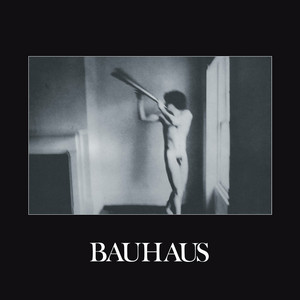
Foundational genre of the gothic music scene (late 1970s/early 1980s). Emerged from post-punk with emphasis on dark themes and atmosphere. Characterized by dramatic vocals, atmospheric production, and introspective lyrics. Established by bands like Bauhaus, Siouxsie and the Banshees, The Cure.
Post-Punk (Original & Revival)
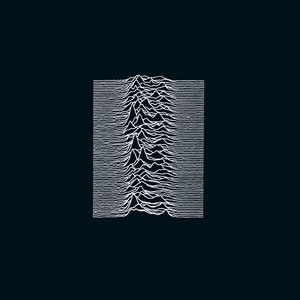
Experimental rock music emerging from punk's deconstruction (late 1970s). Foundational genre for gothic rock and many alternative styles. Both original 1980s movement and contemporary revival scenes included. Emphasis on experimentation, art, and expansion beyond punk's limitations.
Deathrock
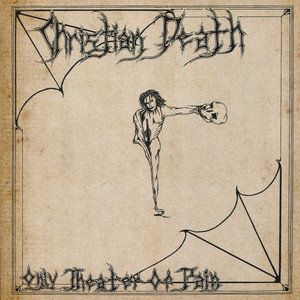
American counterpart to British gothic rock with horror punk influences. More aggressive and punk-influenced than traditional gothic rock. Emphasizes theatrical performance and horror aesthetics. Maintains stronger connection to punk energy than European gothic variants.
Coldwave - French
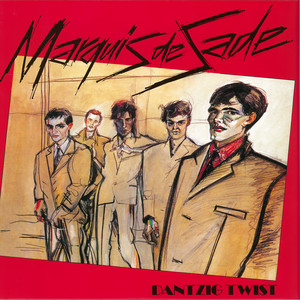
Distinctive post-punk variant originating in France (late 1970s-1980s). Features a balanced interplay between minimal analog synthesizer leads and traditional post-punk guitar/bass structures. Characterized by cold, detached atmosphere, haunting synth lines, and gloomy post-punk sensibilities. Key artists: Marquis de Sade, KaS Product, Martin Dupont. While synths are often what listeners notice first, its post-punk foundation and song structures distinguish it from purely synthesizer-focused genres, placing it at the intersection of post-punk and early electronic music.
American Coldwave
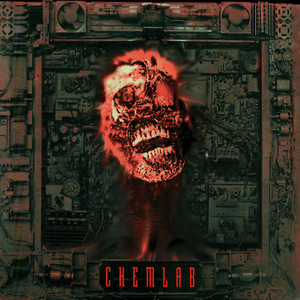
Industrial music with prominent rock-style rhythm guitars (1993-1999). Features cyberpunk themes and mechanical/industrial aesthetics. Notable for its guitar-driven approach to industrial music distinct from industrial metal. Key artists: Chemlab, Acumen Nation, 16 Volt, Clay People, Christ Analogue. Term originated with 21st Circuitry Records compilations.
Machine Rock
Post-American Coldwave term used in early 2010s for guitar-driven industrial rock. Emphasizes mechanical precision with rock instrumentation. Represents the evolution of American Coldwave sound into contemporary contexts. Championed by bands like Stiff Valentine, Everything Goes Cold, Cyanotic, and Rabbit Junk.
Industrial & Experimental
🎵 Listen on SpotifyHarsh, mechanical, transgressive electronic music with avant-garde elements
Industrial (Classic / Experimental)
Original industrial music emphasizing mechanical, transgressive sounds. Experimental approach to sound creation and unconventional instrumentation. Founded by Throbbing Gristle and Industrial Records (mid-1970s). Influential foundation for all subsequent dark electronic music.
Industrial Metal
Fusion of metal guitar work with industrial electronic elements. Heavy, aggressive sound appealing to both metal and industrial audiences. Achieved mainstream success through Nine Inch Nails, Ministry, Rammstein. Represents the guitar-heavy commercial evolution of industrial music.
Industrial Rock
Rock-oriented approach to industrial music with traditional song structures. More accessible than pure industrial while maintaining experimental edge. Often incorporates conventional rock instruments with industrial production. Bridge between alternative rock and industrial music scenes.
Industrial Techno / Techno Body Music
Fusion of techno dance music with industrial sound aesthetics. Emphasizes repetitive rhythms and mechanical, industrial-derived sounds. Designed specifically for club and dance environments. Represents industrial music's adaptation to techno culture.
EBM & Body Music
🎵 Listen on SpotifyDance-oriented electronic music with industrial elements and rhythmic focus
EBM (Old-school / Classic)
Original electronic body music from early 1980s Belgium/Germany. Combines industrial sounds with 4/4 disco beats and dance rhythms. Foundational genre established by Front 242, DAF, and Die Krupps. Characterized by repetitive basslines, programmed drums, and command vocals.
Harsh EBM / Hellectro
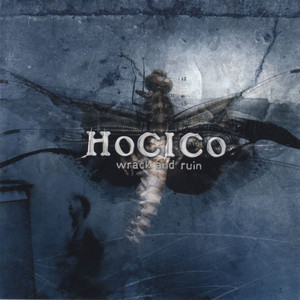
Extreme evolution of EBM with increased sonic aggression. Maintains dance elements while pushing sonic boundaries. Alternative term for aggrotech emphasizing the EBM connection. Represents the intersection of classic EBM with extreme electronics.
Coldwave - Belgian/Benelux
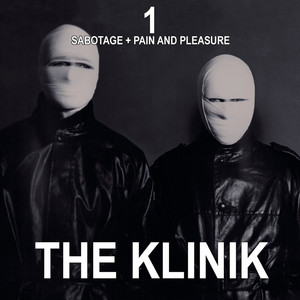
Belgian and Dutch variant more aligned with EBM development. Communicated through underground cassette culture via labels like Insane Music. More electronic-focused than French variant, closer to proto-EBM. Regional networking through European cassette trading networks.
Darkwave & Synthwave
🎵 Listen on SpotifyDark synthesizer-driven music spanning minimal to atmospheric styles
Darkwave
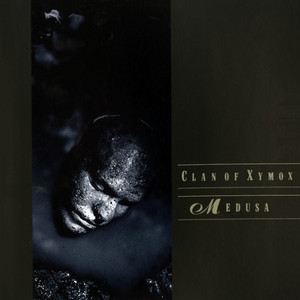
European term for gloomy variant of new wave and post-punk (1980s). Combines electronic instrumentation with gothic sensibilities. Foundational genre that encompasses multiple regional styles. Umbrella term that includes coldwave, ethereal wave, and related styles.
Synthwave
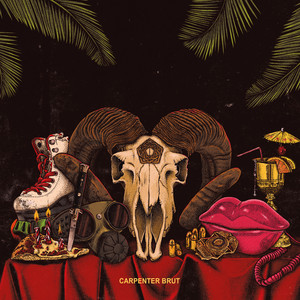
Retro-electronic music inspired by 1980s aesthetics and nostalgia. Often instrumental with cinematic qualities and nostalgic atmosphere. Ranges from bright and nostalgic to dark cyberpunk variants. Part of broader 1980s revival culture spanning music, film, and fashion.
Darksynth / Cyberpunk Bass
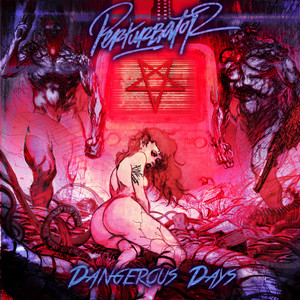
Retro-futuristic synthesizer music with dark cyberpunk themes. Heavy influence from 1980s film soundtracks and video game music. Often instrumental with emphasis on bass and atmospheric elements. Part of broader synthwave revival but with darker, more aggressive aesthetics.
Minimal Synth / Minimal Wave
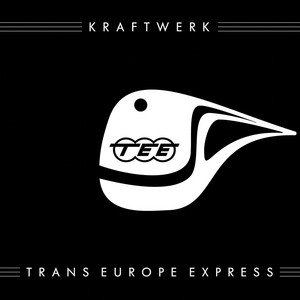
Stripped-down synthesizer music emphasizing minimalist aesthetics and lo-fi production. Often created with analog synthesizers and basic production techniques. Term "minimal wave" coined by Veronica Vasicka to describe this aesthetic. Influences from both punk minimalism and electronic experimentation.
Coldwave - Eastern European
Polish and Eastern European variant with more atmospheric tendencies. Influenced by political circumstances of Cold War era. Often more experimental and ambient-leaning than Western variants. Regional characteristics influenced by limited access to Western equipment.
Electro-Industrial & Aggrotech
🎵 Listen on SpotifyHarsh electronic music combining industrial with dance elements
Electro-Industrial
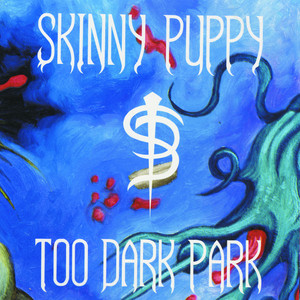
Industrial music with electronic dance music influences and complex programming. Features distorted vocals, sampling, and layered electronic textures. Pioneered by Skinny Puppy, Front Line Assembly, and similar acts in the late 1980s. Influential foundation for subsequent harsh electronic dance music.
Aggrotech (Hellektro)
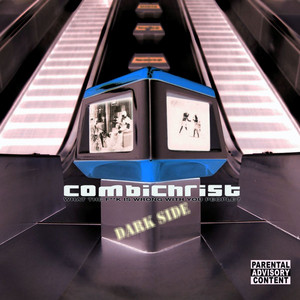
Aggressive evolution of electro-industrial with harsh distorted vocals. Typically features faster tempos and more aggressive sound design. Alternative terms include "hellektro" and "terror EBM." Represents the extreme aggressive end of danceable industrial music.
Dark Electro
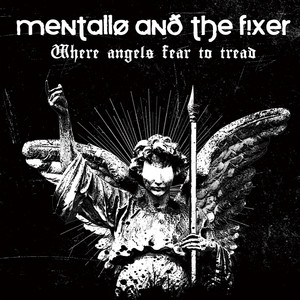
European electro-industrial variant emphasizing dark atmospheres and horror themes. Features prominent use of sampling, particularly from horror films. More atmospheric than aggrotech while maintaining industrial edge. Associated with European underground industrial scene of the 1990s.
Ambient & Atmospheric
🎵 Listen on SpotifyEnvironmental soundscapes and ethereal music emphasizing texture over rhythm
Dark Ambient
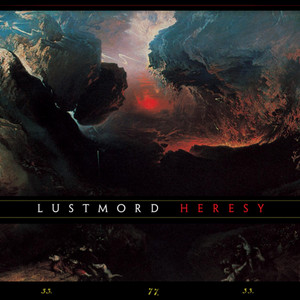
Atmospheric music focused on creating dark, immersive environments. Evolved from industrial music's experimental sound exploration. Emphasizes texture, drone, and mood over traditional song structures. Often incorporates field recordings and industrial sound sources.
Ethereal Wave
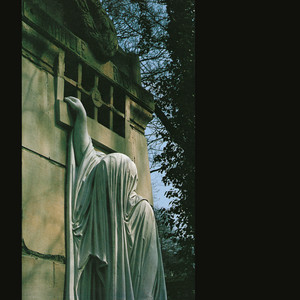
Atmospheric gothic music emphasizing ethereal, otherworldly vocals. Creates spiritual, transcendent atmospheres through production techniques. Often features extensive reverb and ambient production elements. Developed particularly in the US through labels like Projekt Records.
Folk & Neoclassical
🎵 Listen on SpotifyAcoustic and orchestral elements merged with dark alternative aesthetics
Neofolk
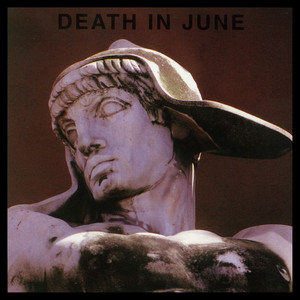
Folk music traditions combined with dark, apocalyptic, and alternative themes. Often incorporates acoustic instruments with electronic and industrial elements. Emphasizes traditional song structures with alternative lyrical content. Connected to industrial music through shared transgressive aesthetics.
Neoclassical / Dark Medieval
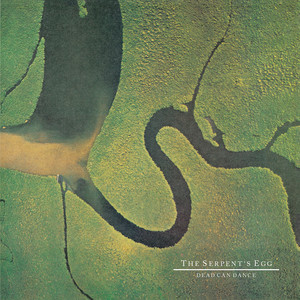
Classical and medieval music reimagined in dark alternative contexts. Often incorporates orchestral instruments, historical themes, and academic structures. Creates epic, cinematic atmospheres with traditional musical foundations. Pioneered by Dead Can Dance, In the Nursery, and related artists.
Martial Industrial
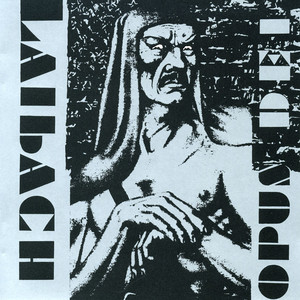
Industrial music incorporating military, orchestral, and historical elements. Often features samples from historical speeches and military music. Creates epic, cinematic atmospheres with political and historical undertones. Combines industrial techniques with neoclassical and folk instrumentation.
Synthpop & Futurepop
🎵 Listen on SpotifyMelodic electronic pop with dark undertones and futuristic elements
Synthpop
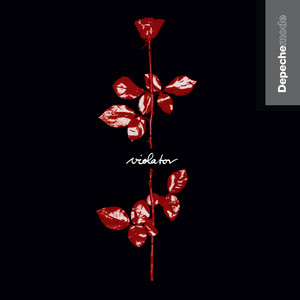
Electronic pop music with synthesizers as primary instrumentation. Emerged from new wave in the early 1980s with mainstream commercial success. Dark variants emphasize minor keys and introspective themes. Foundational genre for many subsequent electronic pop styles.
Futurepop
Melodic electronic dance music combining EBM rhythms with trance influences. Features clean, processed vocals, uplifting melodies, and polished production. Emerged in the late 1990s. Pioneered by VNV Nation, Covenant, and similar artists, creating accessible electronic alternative music.
Alternative Dark Pop
🎵 Listen on SpotifyAccessible dark music with crossover appeal and diverse influences
Dark Pop
Pop song structures with gothic and dark alternative aesthetics. Accessible melodies combined with darker lyrical content and production. Often incorporates synthesizers while maintaining pop accessibility. Represents the mainstream-accessible edge of dark alternative music.
Dark Cabaret
Theatrical performance style mixing cabaret traditions with dark themes. Incorporates vaudeville, circus aesthetics, and dramatic storytelling. Often features unconventional instrumentation and theatrical presentation. Emphasis on performance art elements and narrative structure.
Dreampop
Ethereal pop music with lush, atmospheric production techniques. Creates dreamlike, immersive sonic landscapes through production. Often incorporates reverb-heavy guitars and ethereal vocal treatments. Represents the atmospheric, accessible side of alternative dark music.
Witch House
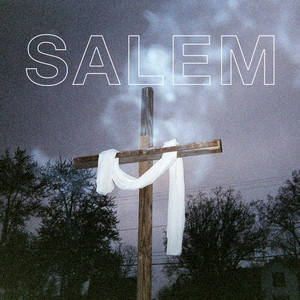
Electronic music combining hip-hop production techniques with gothic aesthetics and occult imagery. Features chopped/screwed vocals, heavy bass, and dark atmospheres. Emerged from internet culture in the late 2000s. Associated with Salem, oOoOO, and similar artists.
Noise & Power Electronics
🎵 Listen on SpotifyExtreme experimental electronic music emphasizing confrontation and transgression
Power Electronics / Noise
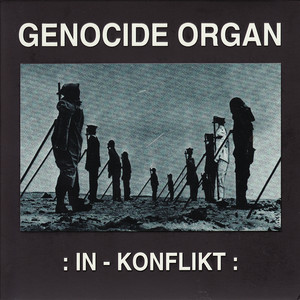
Extreme electronic music emphasizing harsh noise and sonic confrontation. Minimal song structures focusing on intensity and transgressive themes. Often incorporates controversial subject matter and performance art elements. Represents the most extreme and uncompromising branch of industrial music.
Power Noise / Rhythmic Noise
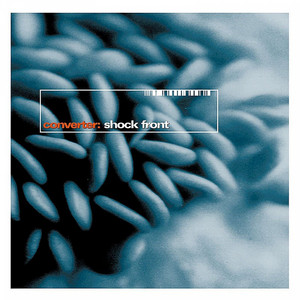
Danceable noise music combining harsh aesthetics with rhythmic structures. Maintains club-friendly elements while incorporating extreme sound design. Bridge between experimental noise music and dance music cultures. Represents the evolution of power electronics toward more structured forms.
Crossover & Hybrid
🎵 Listen on SpotifyNon-goth-industrial music with distinctive dark alternative characteristics, and mainstream works by traditionally dark alternative artists
This category encompasses music that doesn't fit neatly into traditional goth-industrial classifications but maintains distinctive dark alternative characteristics. It includes mainstream crossover works by traditionally dark artists, as well as music from other genres that incorporates significant dark alternative elements or aesthetics.
This group includes artists widely accepted by the goth-industrial community, but whose music does not fit within traditional genres.